Trips, Behavior, Engine Health
GO devices plug in and stream location, trips, driving behavior, and engine health to one dashboard.
How Fleets Use It
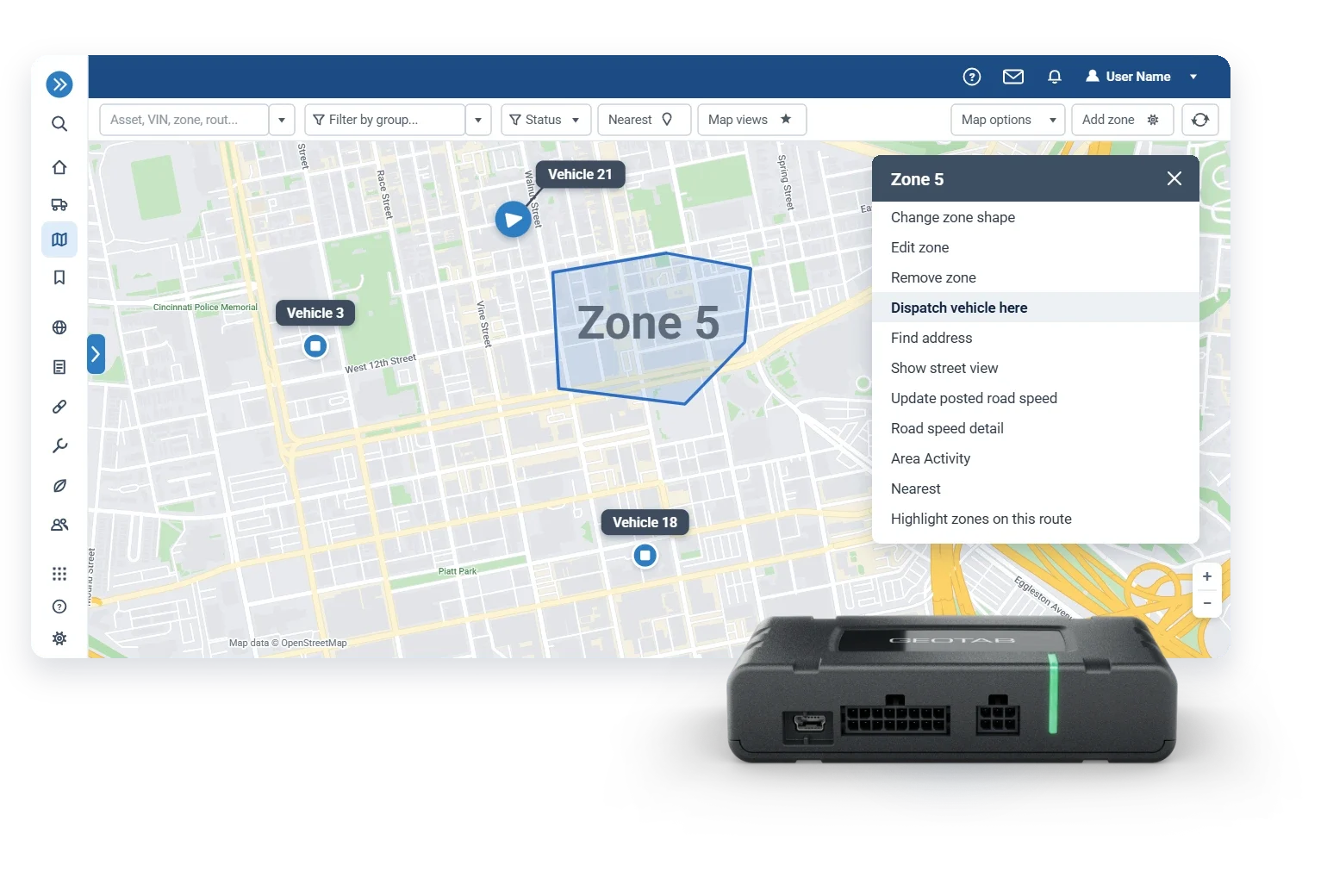


A working preview of the MyGeotab live map, built for field service and every fleet on a schedule.
Illustrative preview. Your free demo database shows your own vehicles, live.
A closer look
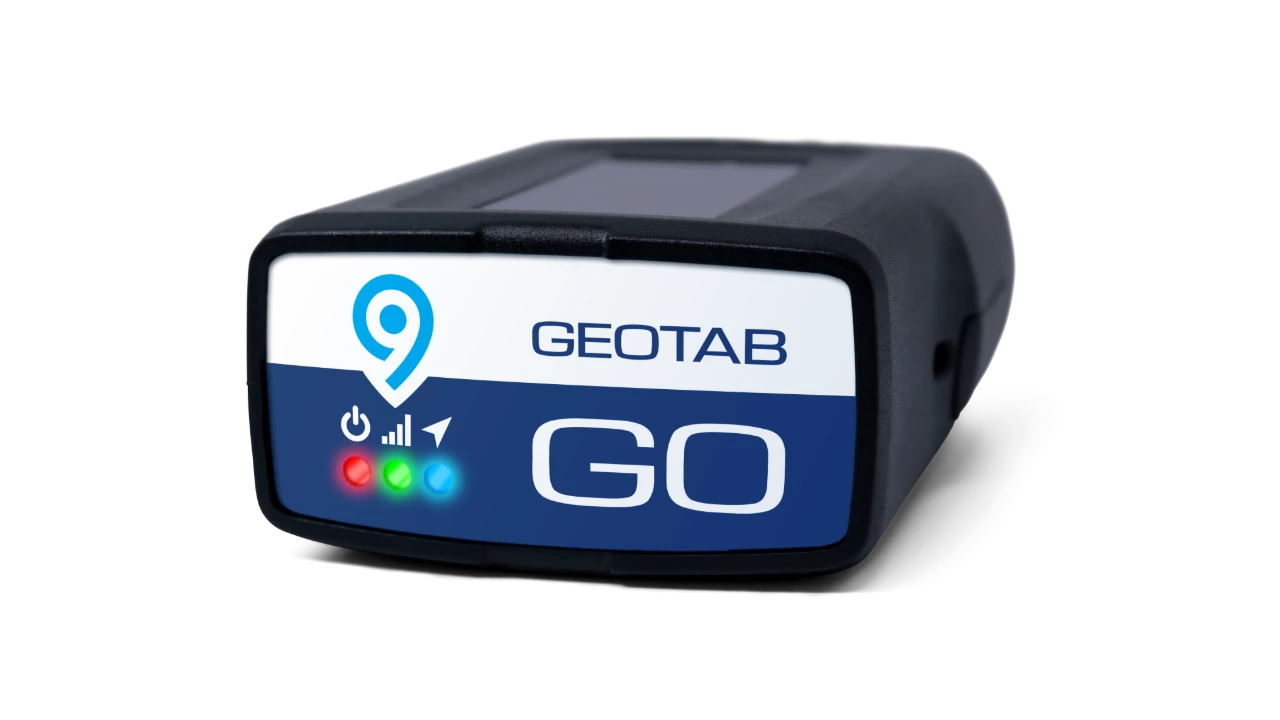
Plug into the diagnostic port and it starts reporting. No cutting, no installer.
Engine data, fault codes, seatbelt use, and idling, straight off the vehicle bus.

An accelerometer catches harsh braking, acceleration, and cornering.
The whole fleet on one map, replayed street by street.
Risky events roll up into driver scores for coaching.
Fault codes trigger maintenance before a truck strands a route.
Driver Safety
The same GO device measures how each vehicle is driven and turns it into a coachable score.
The proof: Geotab's Collision Risk model, built on 6M+ connected vehicles, identifies risk 20% better than a traditional scorecard (Geotab Safety 201, 2026). The GO device on your dash feeds it.
Vehicle Health & Uptime

GO reads engine and battery diagnostics from the vehicle, so faults become planned service, not roadside emergencies.
The Hardware
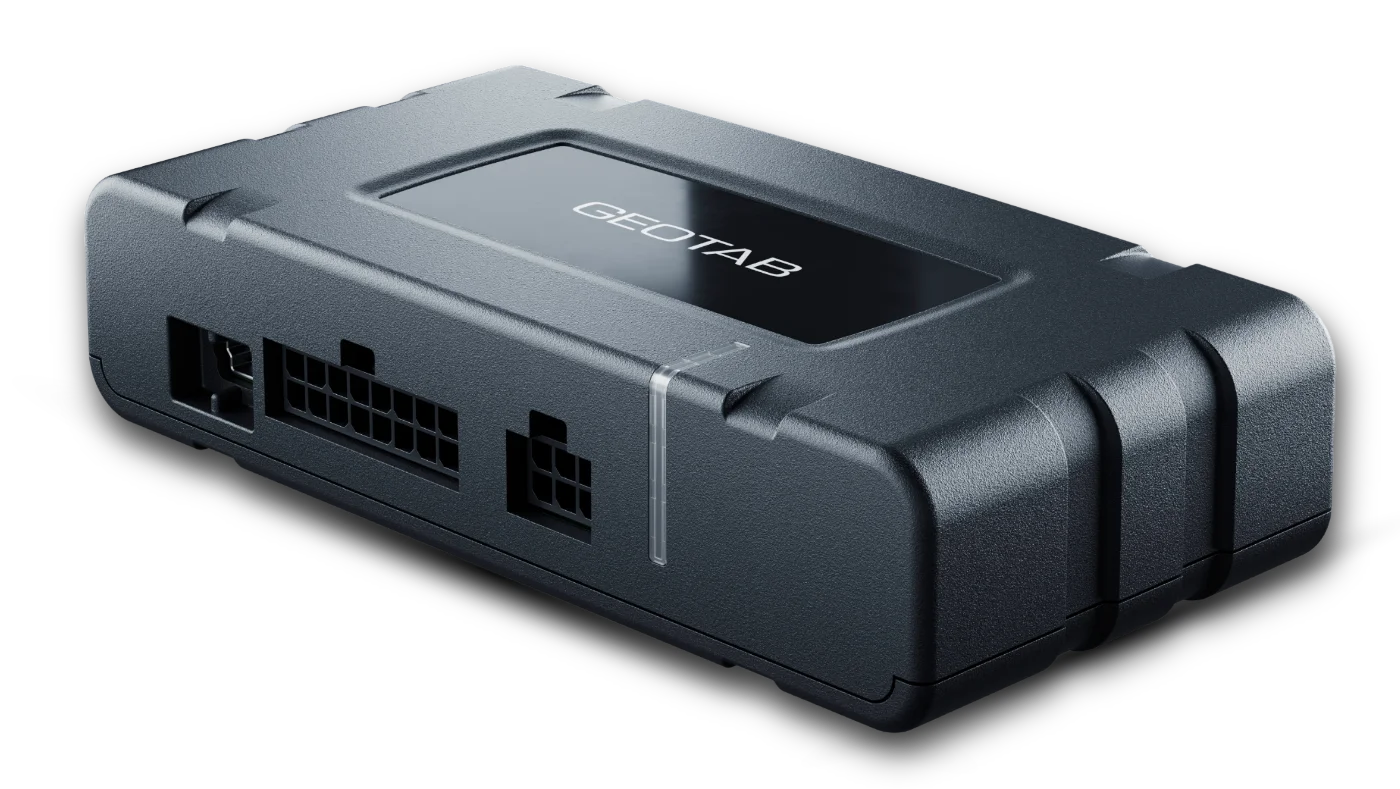
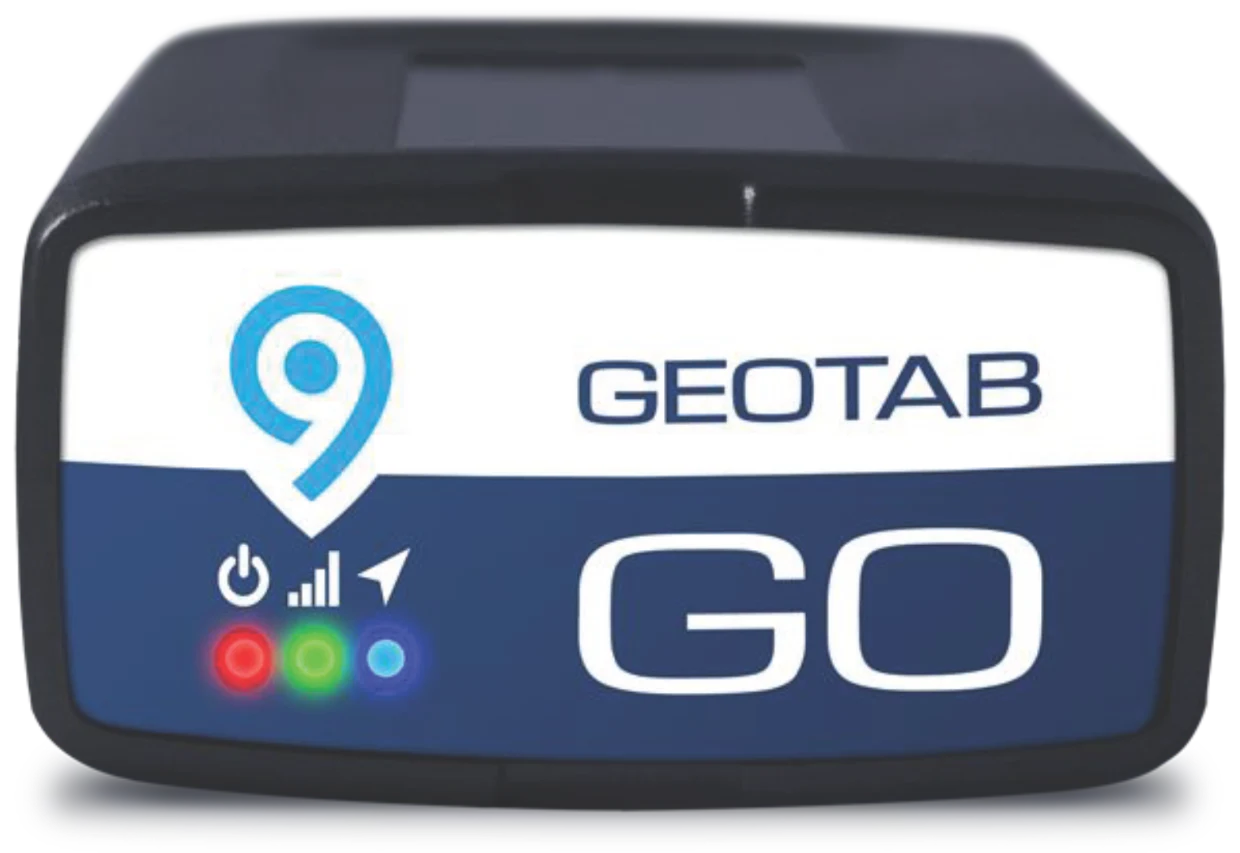
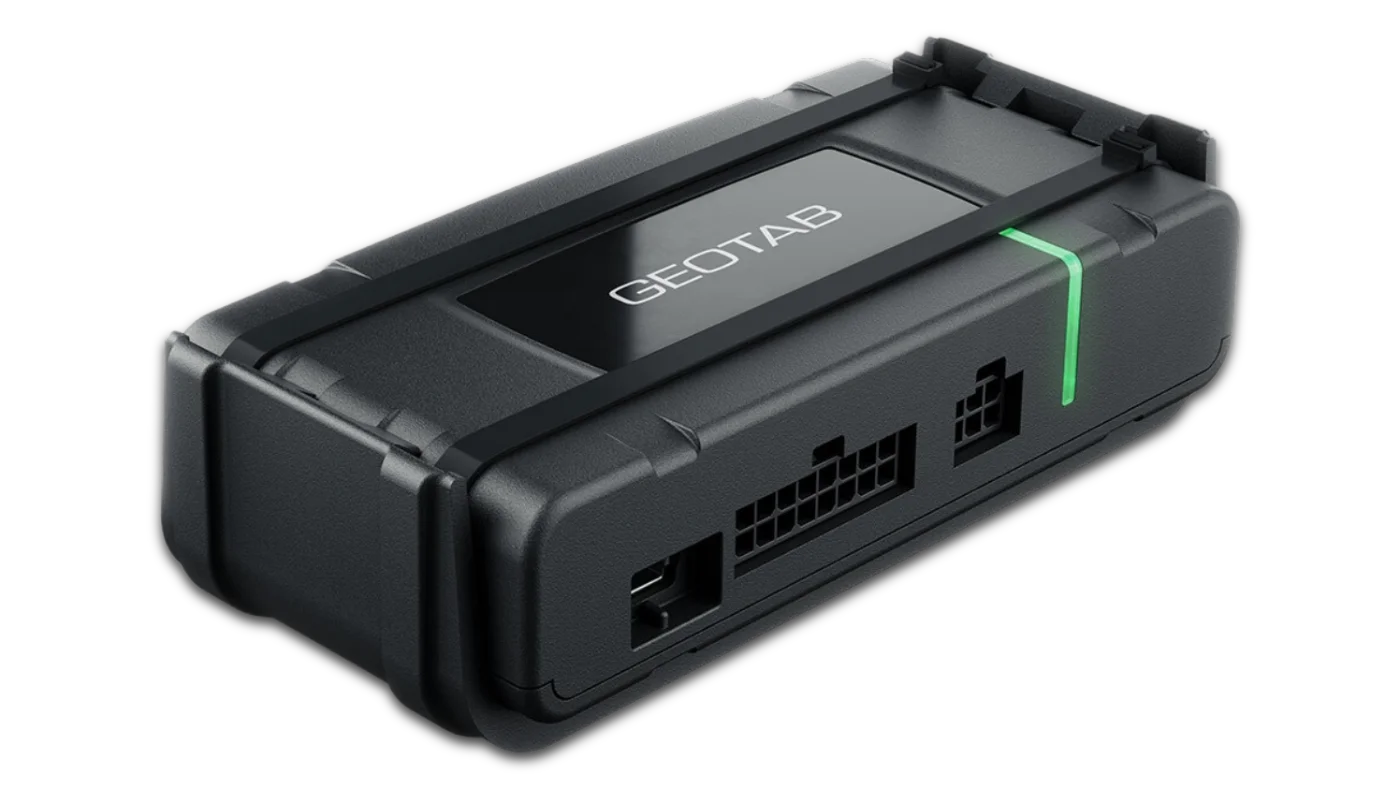
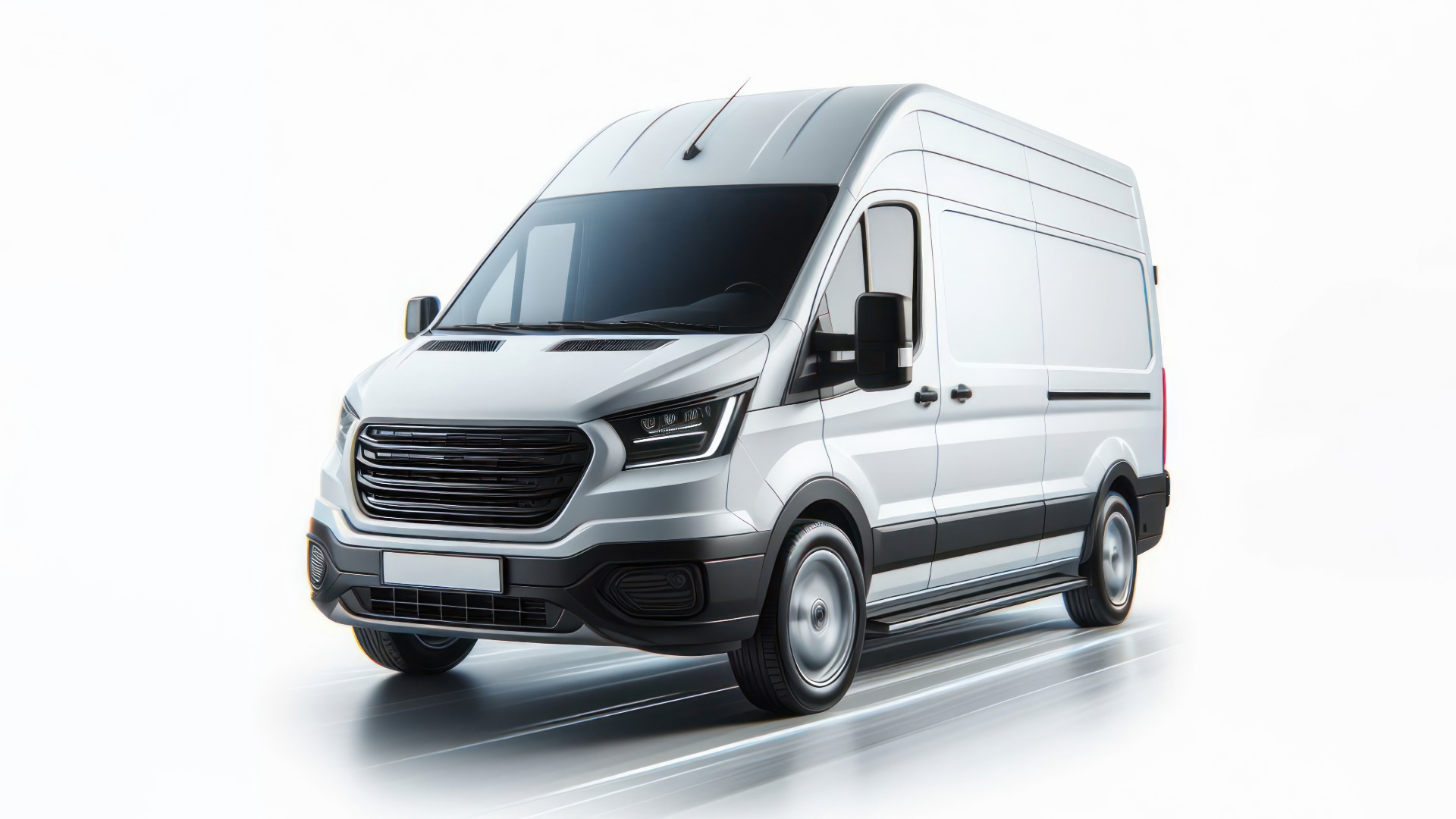
Plugs into the OBD II port and self-configures. No tools, no installer, no appointment.


Torn between them? Read the side-by-side comparison, or send your vehicle list and we split it: GO9 where the old protocols matter, GO10 where they do not.
More than a dot on a map
A generic tracker reports position. A GO device is a small computer on the vehicle network.
The same data drives HOS, IFTA, and DVIR reporting, no separate logging device.
The IOX port adds driver ID, spoken coaching, cameras, temperature monitoring, satellite.
Over-the-air firmware: the device you plug in this year is better next year.
MyGeotab, 500+ Marketplace add-ons, and your own systems through the API.
Why GPSFMS
Always On The Map
Position, speed, and status for every vehicle, the moment they change. No radio calls, no guessing.
Questions
GO devices plug into the OBD II port in minutes, no wiring. Most fleets do it themselves in the yard before the first shift.
Many light-duty vehicles take the GO9 straight into the 16-pin OBD II port, no harness. Others need one matched to make, model, and year; we confirm before anything ships.
This is exactly why we still sell the GO9. The newest GO10 drops some legacy protocols, so for pre-early-2010s trucks the GO9 is the honest recommendation.
The Next-Gen GO10 executes remote commands from MyGeotab, including immobilization on unauthorized use. We walk you through where that fits your policy first.
The GO device detects the collision and automatically uploads detailed data for forensic reconstruction: before, during, and after. Pair a GO Focus camera for the video to match.
“We had a service technician van stolen and we located it in seconds, notified the sheriff department and recovered the van within a couple of hours. Not only did we recover over $50,000 worth of company assets before it was damaged, we were able to provide the sheriff with the exact locations of every stop the thief made while he had our vehicle. Additional arrests were made because of it.”Pepsi Cola, Florence, SC
Two minutes on the form.
Your own MyGeotab database, your zones.
Free, pre-configured.
Keep it, or we send a call tag.
One vehicle, your map, no obligation.