
Documented Route by Route
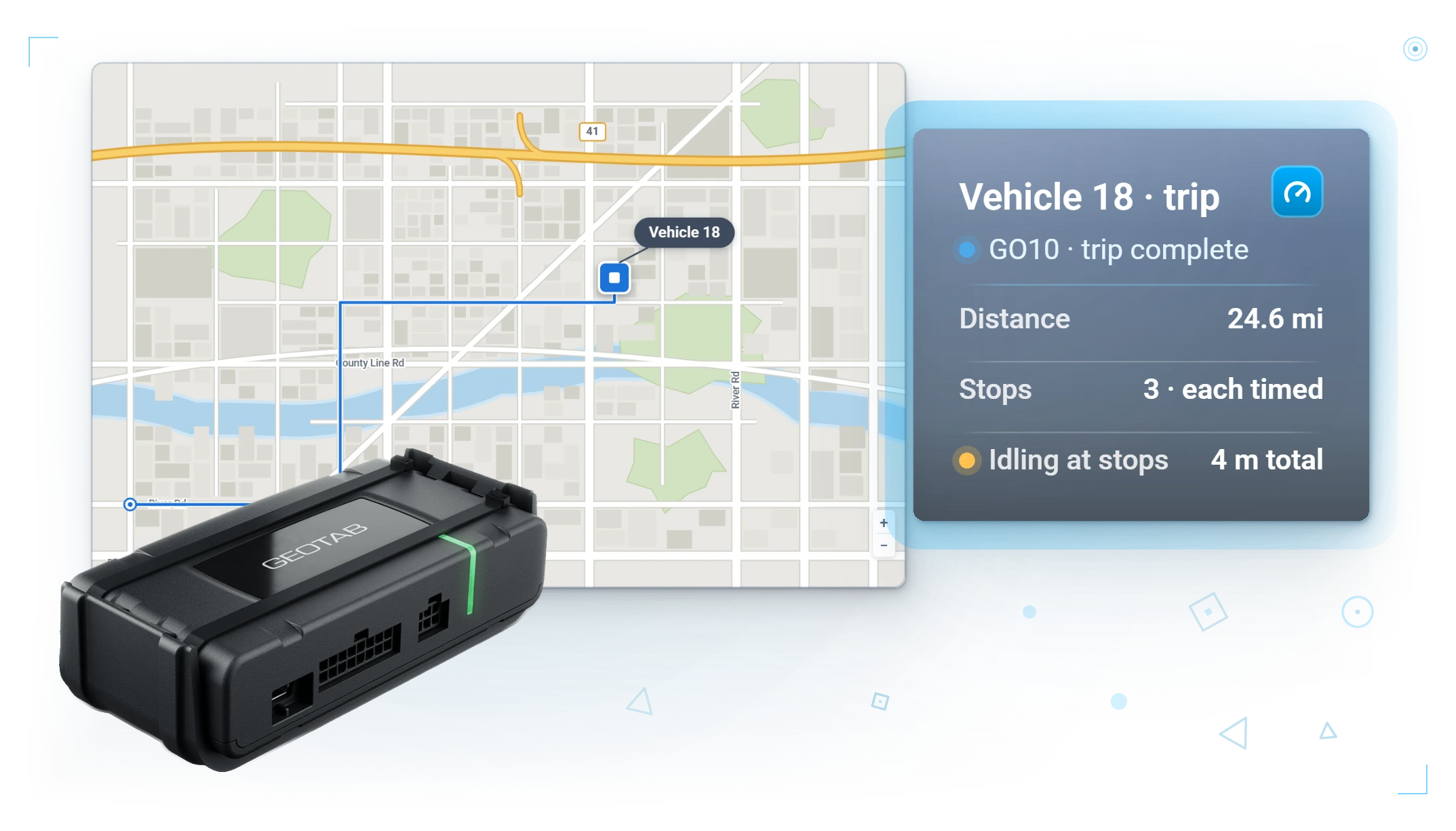
Secure transport demands a record. Geotab documents every route, stop, and deviation.
Chain of Accountability
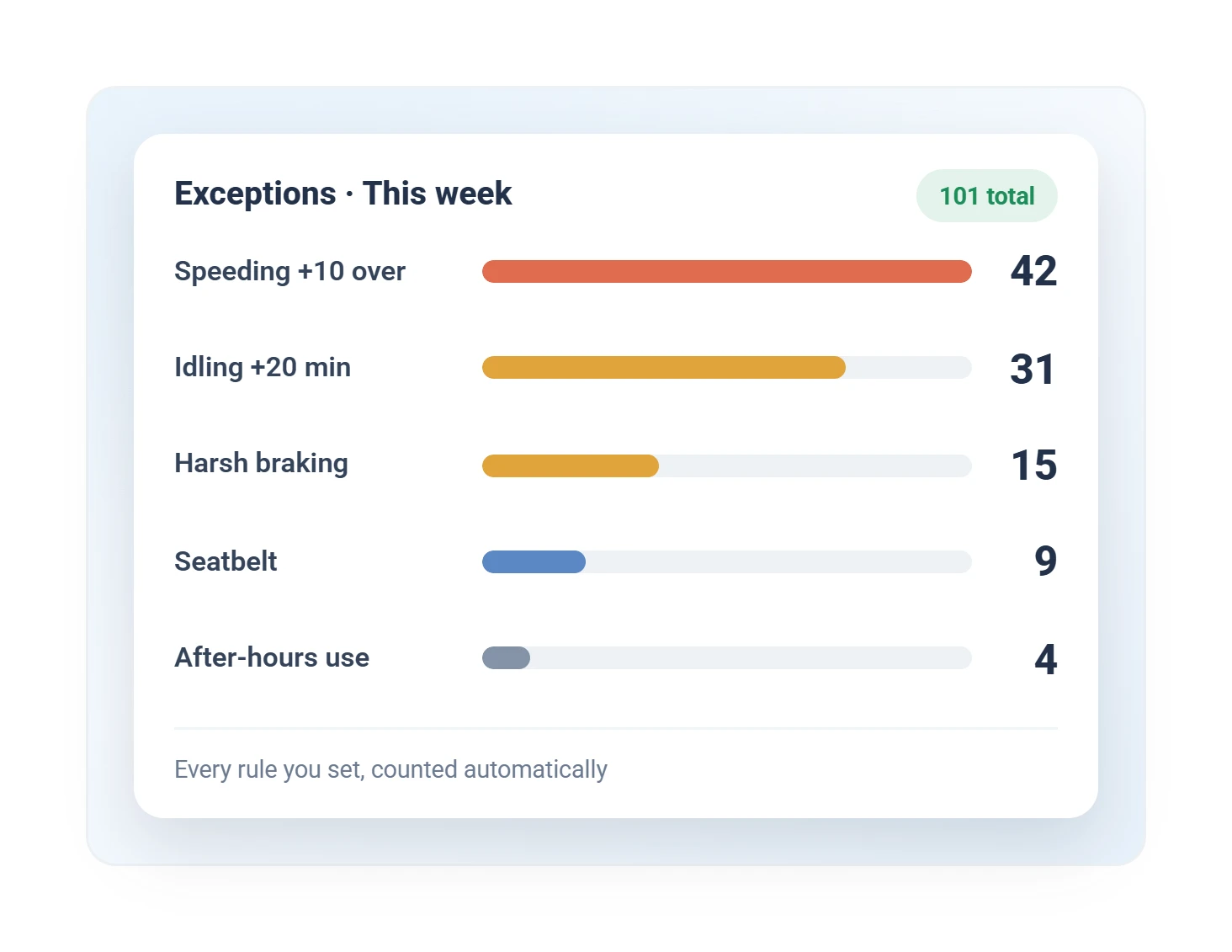
Routes, stops, speeds, and exceptions logged automatically, visible only to the roles you authorize.

Our Advice

Remote commands from your own dashboard, under a policy your agency defines.

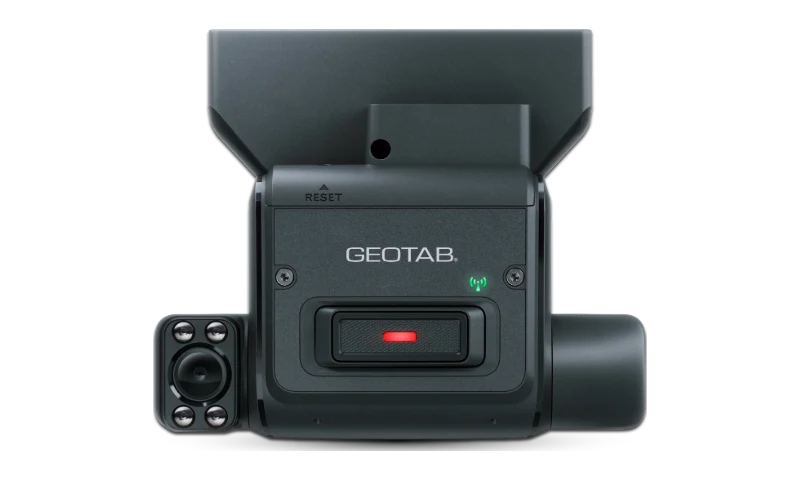
Event footage that resolves disputes.

Approved-route geofences with deviation alerts, timestamps, and speed rules, enforced automatically.
The Real Problems
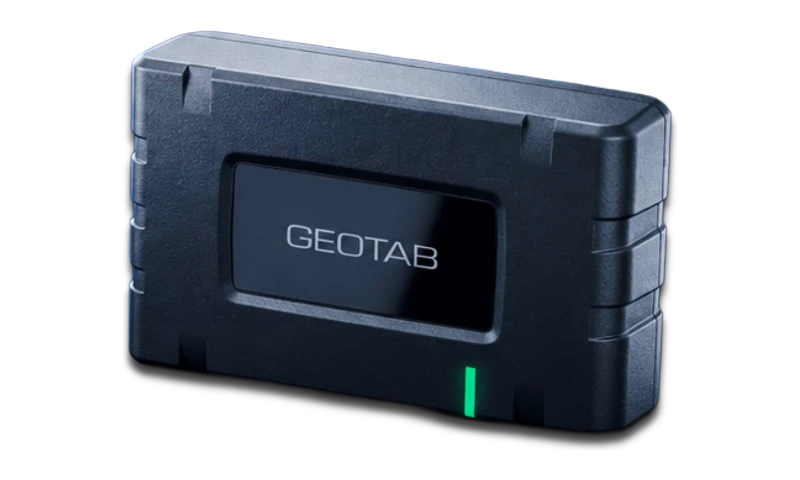
After-hours movement alerts surface it immediately, and the tracker can block an unauthorized restart under agency-defined policy (Next-Gen GO10).
Trip records plus event video replace recollection with evidence: 35% fewer injury crashes when video is paired with coaching (J.J. Keller, 2023).
Scheduled reports produce the same format every time, so a review board or records request is answered without a scramble.
Built for accountability
Secure transport runs on documentation. Here is how we configure a corrections fleet so every mile lands on the record without anyone typing.
FIPS 140-3 validated trackers in every transport and staff vehicle (GO9 family).
Supervisor map access scoped by role before day one: command watches transports live; the map stays closed to everyone else.
History indexed by transport, date, and vehicle, so a specific record pulls in seconds.
GO Focus Plus footage with retention and privacy configured to your agency's rules.
Buy through the cooperative contracts your procurement office already recognizes, with no separate bid cycle.
Geotab serves 2,900+ public-sector customers and 1 million+ subscriptions in North America (Geotab, 2026).

Questions
Yes, and specifically: Geotab GO9-family and GO Rugged devices carry FIPS 140-3 validation, Certificate #5494. Geotab's cloud platform serves government fleets across North America, and data access inside MyGeotab is controlled by role-based clearances with audit logging.
In most cases, yes. Geotab is available through Sourcewell contract 102924-GEO (valid through April 2029) and NASPO ValuePoint contract MA3695. We have walked agencies through both.
Custom rule sets and geofences flag off-route travel, after-hours movement, and other exceptions instantly.
The in-vehicle tracker executes commands sent from your dashboard, including disabling a vehicle from restarting after unauthorized use is flagged. It is a policy tool, not a movie stunt: your agency defines who can trigger it and under what conditions, and we configure it to that policy.
Trip and event history is retained and available long after a transport. Pulling a specific record is a role-based action: only the staff your agency clears can open or export it, and every access is written to an audit log, so each record carries its own chain of custody.
Keep exploring
Tell us your transport security requirements and we will configure the demo to match them.